CBN pursues growth, tames inflation through reforms
CBN pursues growth, tames inflation through reforms
Nigeria’s economy appears to be entering a phase of renewed stability, with the Central Bank of Nigeria projecting stronger growth and lower inflation in 2026, driven by key structural and monetary reforms. In its latest macroeconomic outlook, the CBN forecast that Gross Domestic Product will grow by 4.49 per cent this year, while inflation is expected to moderate to an average of 12.94 per cent. The bank also expects external reserves to rise to $51.04bn, while the cost of lending is projected to decline as monetary conditions gradually loosen.
These forecasts are rooted in the bank’s confidence that foreign exchange reforms, improved oil output, fiscal restructuring and stronger market discipline will underpin economic stability. The apex bank believes that its broader policy reforms will support a stronger, more globally competitive domestic economy. The past year has already been described as one marked by global uncertainty, domestic recalibration and institutional rebuilding, yet the authorities insist that clarity and policy purpose are gradually resetting the economy.
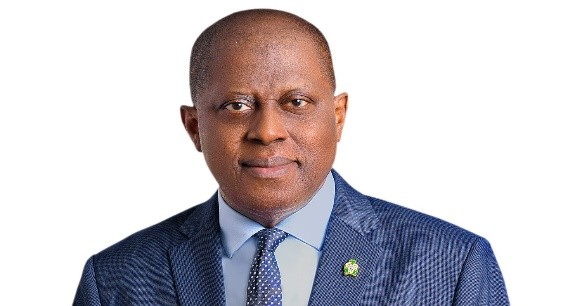
The CBN Governor, Olayemi Cardoso, recently reflected on the progress so far, saying the institution had worked deliberately to restore credibility, transparency and policy alignment. Speaking at the 59th annual Bankers Dinner organised by the Chartered Institute of Bankers of Nigeria, Cardoso said, “I am pleased to report meaningful progress on all three fronts, even as we remain fully aware of the work ahead. Our actions continue to reflect the policy direction we articulated from the outset; in other words, we said what we would do, and we have done it, transparently and consistently.”
The CBN has consistently pushed policies targeted at moderating inflation, boosting output growth, building up foreign reserves, and improving earnings from non-oil exports. The CBN expects reserves to reach $51.04bn, up from $45.01bn in 2025 and $40.19bn in 2024. The bank said this expected improvement would be driven by better crude output, improved local refining, higher remittances, and increased capital inflows. Supporting this view, analysts at United Capital Research have expressed optimism that Nigeria’s external reserves will continue their steady ascent, buoyed by stronger oil export receipts, robust diaspora remittances, and a favourable trade balance.
“With the reserves position strengthening, the CBN will have greater flexibility to sustain its interventionist approach in the FX market. This, in turn, should help to maintain relative stability in the naira across both official and parallel markets,” analysts at Cowry Assets said in a recent weekly market report.
The CBN further said in its outlook that the growth prospect in 2026 is positive on account of continued gains from broad-based structural reforms and improved stability in the exchange rate. It added that easing monetary policy would add impetus to growth following the anticipated reduction in lending costs.
The Central Bank kept its policy rate at 27 per cent at its November 2025 meeting, signalling confidence that inflation would continue to ease. Cardoso explained that the economy had moved from crisis containment to reform-based stabilisation. He said, “After nearly a decade in which real GDP growth averaged about two per cent, reforms have restored momentum and confidence in our broad macroeconomic environment. Our economy grew by 4.23 per cent in the second quarter of 2025, the strongest pace in four years, driven by improvements in telecommunications, financial services, and oil production.”
He also confirmed that inflationary pressures were easing. He said, “More importantly, in terms of long-term stability, inflation, while still high, has moderated consistently. From a peak of 34.6 per cent in November 2024, it has more than halved to 14.50 per cent in November 2025. This marks eight consecutive months of disinflation.”
Cardoso said this decline was restoring real purchasing power and solidifying policy credibility. He added, “We continue with determination to bring inflation down further. The current double-digit rate cannot be acceptable. Price stability is the foundation of sustainable growth. Our transition to an inflation-targeting framework is gaining traction. We have improved data analytics, strengthened communication, and ended monetary financing of fiscal deficits. These actions have strengthened monetary policy transmission and anchored expectations.”
He further stated that the CBN’s models project continued disinflation in 2026, helped by stronger production, improved FX liquidity and disciplined liquidity management. “As inflation moderates and becomes firmly anchored, we will calibrate the policy rate in line with evolving data.”
According to him, observers have recognised Nigeria’s turnaround. “Domestic and international observers alike have noted Nigeria’s ‘huge turnaround’ in macroeconomic management. Our commitment remains clear: monetary policy will stay evidence-based, data-driven, and unwavering in its pursuit of price stability.”
The bank also expects the current account surplus to rise to $18.81bn in 2026, supported by stronger exports, steady remittances and better petroleum sector performance. Portfolio inflows and external borrowings are expected to leave the financial account in a net borrowing position of $10.15bn, while the International Investment Position is projected at $69.58bn in net borrowing terms.
The CBN insists that reforms are already yielding results. It highlighted that the balance of payments posted an estimated surplus of $5.80bn in 2025, supported by higher export earnings and the gradual recovery of investor confidence.
Source: https://punchng.com/cbn-pursues-growth-tames-inflation-through-reforms/


About Post Author